Author: admin

  • WikiMedicine workshop in Rwanda


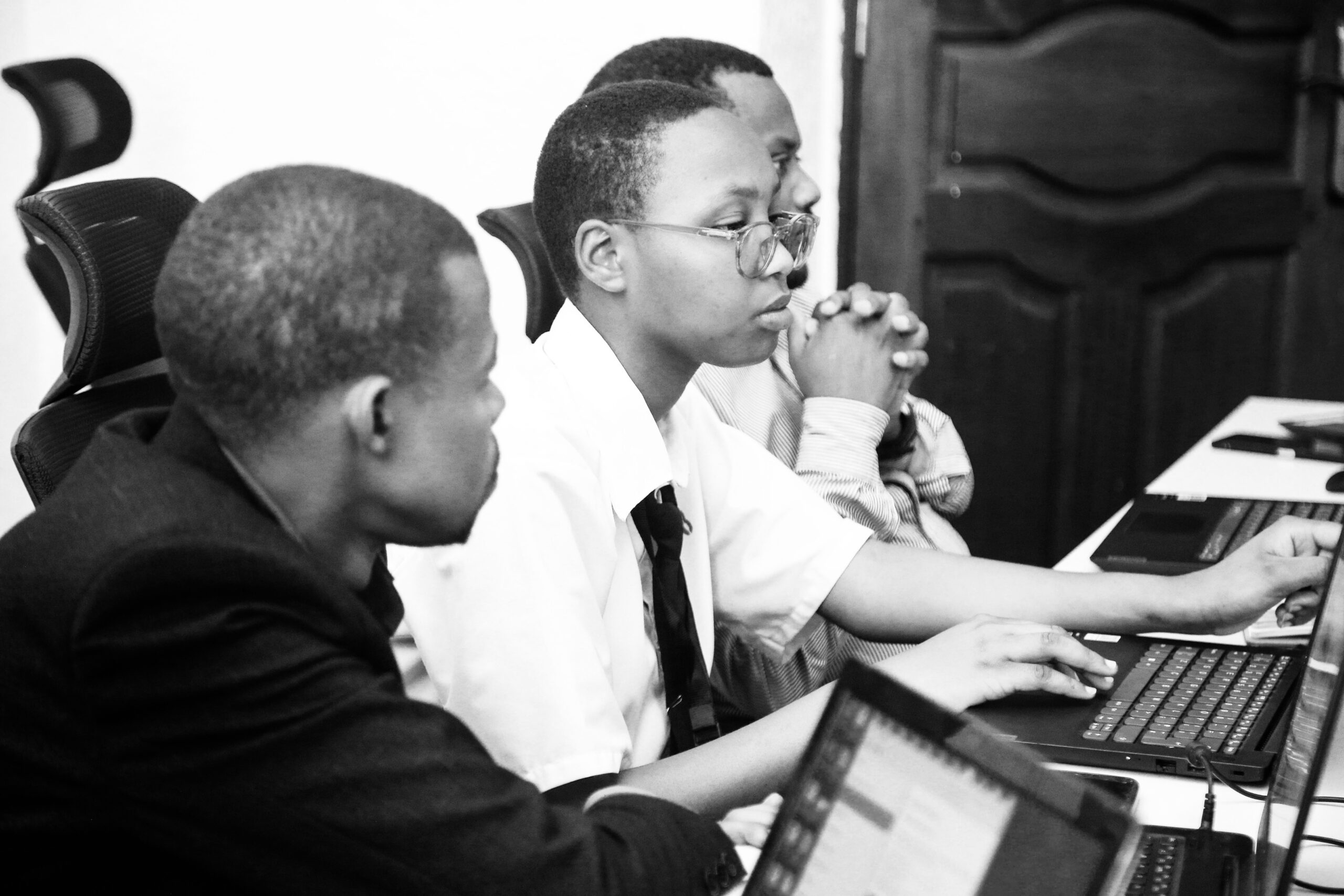
    On August 22, 2025, We successfully hosted a WikiMedicine workshop in Kigali, facilitated by Dr. James Heilman to train members in translating and creating health-related content for Kinyarwanda Wikipedia using tools from the Wiki Project Med Foundation (WPMEDF).

    The initiative aimed to enhance access to reliable health information in Kinyarwanda, Rwanda’s primary language spoken by nearly the entire population, aligning with our mission to promote open knowledge and digital literacy.

    The workshop equipped participants with skills to translate and edit health content, ensuring accuracy and reliability through specialized tools, while increasing the availability of high-quality #health resources for the public.


    The workshop  also empowered medical professionals to access and contribute to health content in Kinyarwanda, supporting their practice and fostering collaborative knowledge-sharing in Rwanda’s health sector.


  • Empowering Open-Source Knowledge Leaders Through Wiki Clubs

    Empowering Open-Source Knowledge Leaders Through Wiki Clubs

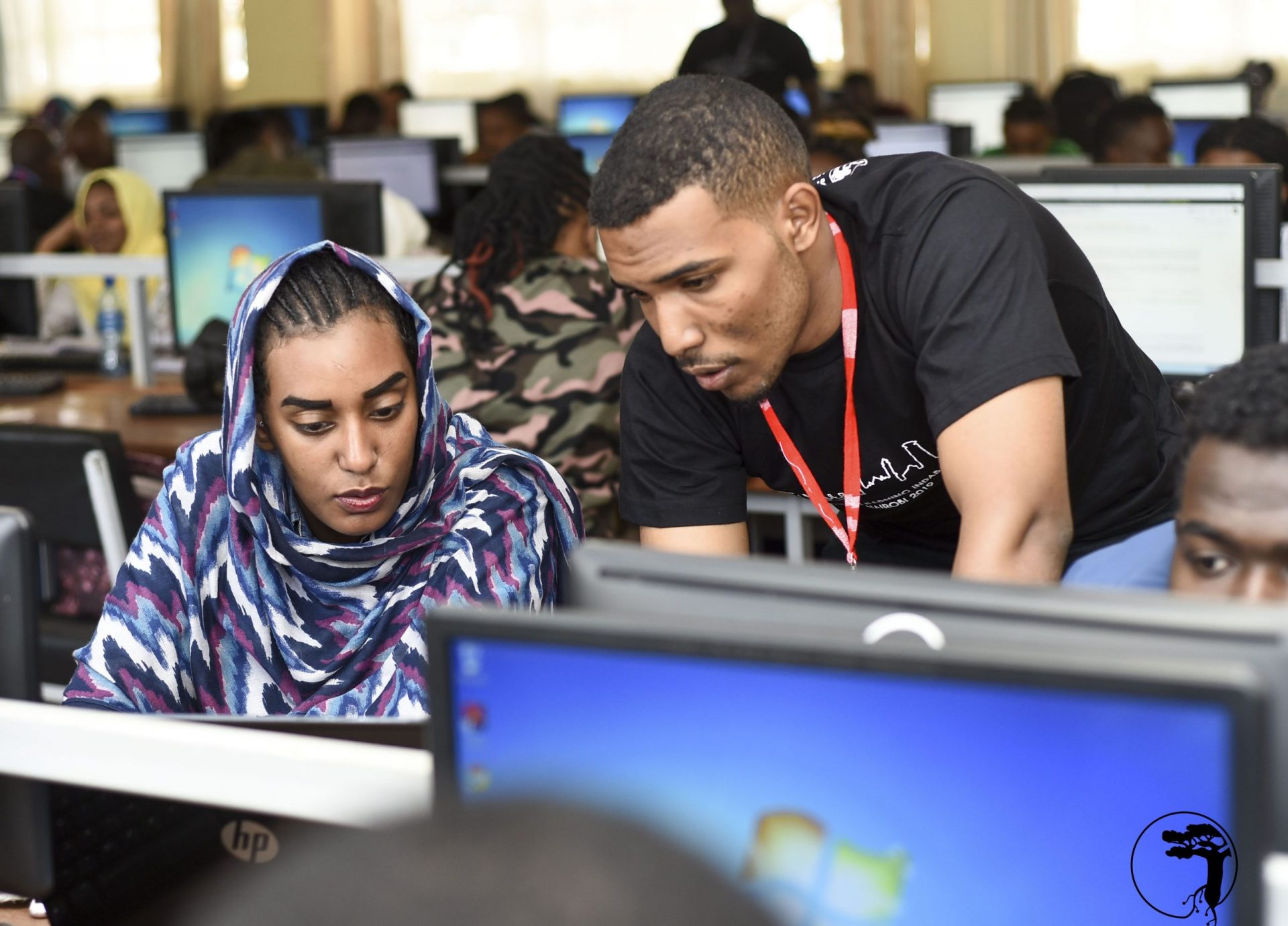
    At our head office in Kacyiru, we are hosting capacity-building training for Wiki Club mentors(Teachers) and students from GS Ruhunda and GS Gishari in Rwamagana District, GS Nyinawimana in Gicumbi District, and Kageyo TSS in Gicumbi District.
    This training is part of our WikiClub Initiative, a project that fosters knowledge sharing, digital literacy, and
    open collaboration among students and youths across Rwanda.
    Through this initiative, we aim to establish vibrant, student-led WikiClubs in schools and communities, empowering young people to contribute free and accessible knowledge to Wikipedia and its sister projects.
    These WikiClubs serve as dynamic learning spaces where students develop research, writing, critical thinking, and digital content creation skills. By documenting and sharing local knowledge, heritage, and culture—especially in underrepresented languages on digital platforms like Kinyarwanda.
  • Wiki Loves Africa 2025 Contest in Rwanda

    Wiki Loves Africa 2025 Contest in Rwanda

     Join the Photography and Media Contest in Rwanda

    Wiki Loves Africa (WLA) is an annual photography, video, and audio contest that invites participants from across Africa to contribute freely licensed media to Wikimedia Commons. These contributions help illustrate Wikipedia and other Wikimedia projects, enriching global knowledge with authentic African visuals. Wikimedia Rwanda is excited to lead the local organization of the 2025 edition, encouraging Rwandans to participate and showcase their creativity.

    Theme for 2025: “Farm to Plate”

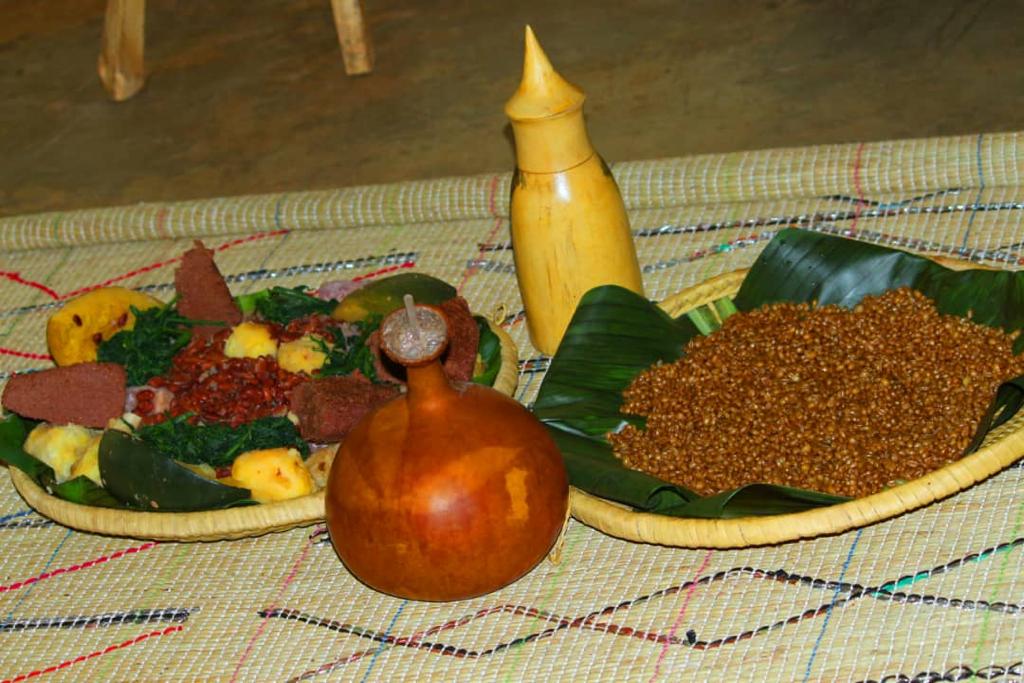
    The theme for this year’s competition, “Farm to Plate,” highlights the journey of food from its source to consumption. Participants are encouraged to capture aspects such as farming, harvesting, local markets, food preservation, cooking methods, and dining experiences. Rwanda’s rich agricultural traditions, vibrant food markets, and unique cuisine provide a wealth of inspiration for this theme.

     Contest Timeline

    • Launch Date: March 14, 2025 (Virtual Event)
    • Submission Period: March 14 – April 30, 2025
    • Training Session: March 22, 2025 (Virtual Session on how to upload competing photos on Wikimedia Commons)
    • Community Engagement: Social media campaigns and local outreach to encourage participation

    Who Can Participate?

    The contest is open to all Rwandans, including photographers, students, creatives, and anyone passionate about storytelling through media. Whether You are a professional or an amateur, your contribution can help document Rwanda’s agricultural and culinary heritage.

    Prizes

    Participants in Rwanda will compete for both local and international prizes. The best submissions will be rewarded as follows:

    Local Prizes (Awarded by Wikimedia Rwanda):

    🏆 1st Prize: 100,000 Rwf
    🥈 2nd Prize: 80,000 Rwf
    🥉 3rd Prize: 60,000 Rwf
    🏅 4th Prize: 50,000 Rwf

    International Prize Categories (Photography):

    🏆 1st Prize: USD 1,000
    🥈 2nd Prize: USD 900
    🥉 3rd Prize: USD 700
    🏅 Wilson Oluoha Prize: USD 1,000

    How to Get Involved

    Are you interested in participating or learning more? Stay tuned for local workshops and events organized by Wikimedia Rwanda. This is your chance to contribute to the global knowledge ecosystem while celebrating Rwanda’s agricultural and culinary traditions.

    For more information, follow Wikimedia Rwanda’s communication channels or contact the contest lead organizer, Mr Emmanuel Ndikumana on his social media platfroms.

    More About the Theme: “Farm to Plate”

    The “Farm to Plate” theme calls for media submissions that document every step of food production and consumption, including:

    • Agriculture: Farming activities, fields, harvesting, pest control, irrigation, livestock, poultry, and fishery.
    • Farm Equipment & Tools: Tractors, ploughs, and other agricultural machinery in action.
    • Markets & Distribution: Local markets, food transportation, sorting, and packaging.
    • Food Processing & Transformation: Grinding grains into flour, artisanal bakeries, butchers preparing meats, canning and bottling processes.
    • Culinary Arts: Chefs and home cooks preparing meals, traditional and modern cooking techniques, food styling, and restaurant scenes.
    • Dining & Presentation: Restaurants, cafes, food stalls, and the art of plating meals beautifully.
    • Cooking Tools & Techniques: Kitchen utensils, gadgets, grills, roasting, and traditional cooking methods.

    This year’s theme celebrates the intricate process of turning raw farm produce into delicious, nutritious meals. Don’t miss your chance to contribute and make an impact!

  • Empowering Rwandan Youth through Wiki-Clubs: Bridging the Digital Knowledge Gap

    Empowering Rwandan Youth through Wiki-Clubs: Bridging the Digital Knowledge Gap

    A Movement for Open Knowledge and Digital Literacy:

    Author: Rugamba Robert

    In an era where digital literacy is a key driver of progress, ensuring young people have the skills to navigate, create, and share knowledge is more important than ever. The Wikimedia Rwanda Wiki-Club initiative is designed to do just that—empower students and youth across Rwanda with the tools and confidence to become active contributors to free and open knowledge platforms like Wikipedia, Wikimedia Commons, and other Wikimedia projects.

    At its core, this initiative fosters a culture of knowledge sharing, research, and collaboration by establishing student-led Wiki-Clubs in schools and communities. These clubs serve as hubs for learning vital skills such as critical thinking, research, writing, and digital content creation, while also encouraging students to document and share Rwanda’s rich heritage and culture in underrepresented languages, including Kinyarwanda.

    Why This Initiative Matters

    Access to information is a fundamental right, but not all voices are equally represented in the global knowledge ecosystem.

    The Wiki-Club initiative aims to bridge this gap by ensuring that young Rwandans not only consume knowledge but also contribute to it.

    Here’s why this initiative is transformative:

    • Closing the digital divide: Many young people in Rwanda have limited exposure to digital content creation. Wiki-Clubs equip them with the necessary digital skills to engage meaningfully online.
    • Amplifying local narratives: By encouraging students to document Rwanda’s culture, history, and contemporary issues, the initiative ensures that Rwandan voices are represented on global platforms.
    • Enhancing education and literacy: Through participation in Wiki-Clubs, students develop research skills, improve writing abilities, and cultivate analytical thinking, which in turn enhances their overall academic performance.
    • Promoting inclusivity in knowledge production: The initiative fosters an open and collaborative environment, where every student, regardless of background, can participate and contribute.

    How Wiki-Clubs Work

    Educate youth educate the nation.

    The Wikimedia Rwanda Wiki-Club initiative operates through structured activities that provide hands-on learning experiences. Each club is led by students, guided by trained facilitators, and engages in activities such as:

    • Editing Wikipedia: Students learn how to write, fact-check, and improve articles, contributing to a more accurate and diverse knowledge base.
    • Uploading media to Wikimedia Commons: Encouraging participants to capture and share images and media related to Rwandan culture, landmarks, and significant events.
    • Workshops and training sessions: Covering topics like copyright awareness, information literacy, and responsible digital citizenship.
    • Community engagement: Collaborating with local historians, educators, and cultural institutions to ensure the accuracy and depth of contributions.

    The Impact and Vision for the Future

    The Wiki-Club initiative is more than just a project—it’s a movement to inspire young Rwandans to see themselves as creators, not just consumers, of knowledge. By fostering a culture of information literacy and open collaboration, the initiative helps equip youth with crucial skills in the modern digital economy.

    As the program expands, Wikimedia Rwanda aims to reach more schools and communities, ensuring that more young people can actively participate in shaping global knowledge. By doing so, we not only create a more informed and engaged generation but also contribute to a world where knowledge is truly free, open, and representative of all voices.

  • Ensuring digital inclusivity by engaging People with Disabilities in Rwanda

    Digital Accessibility Project Launch in Rwanda

    In a groundbreaking initiative, members of the Wikimedia Rwanda community, including Alice Mukeshimana, Byiringiro Cedric, and Niyigena Jack, supported by Wikimedia Rwanda, have launched a project titled “Digital Accessibility: Inclusion of People with Disabilities Contributing to Wikimedia Projects in Rwanda.” This initiative marks a pivotal moment as Wikimedia Rwanda transitions its focus towards empowering members not only to contribute to existing activities but also to take ownership of shaping the community through innovative initiatives.
    Addressing Critical Issues
    The project aims to address the critical issue of the underrepresentation of people with physical disabilities in contributing to Wikimedia Projects in Rwanda. It also aims to bridge the knowledge gap that hampers access to essential information for individuals with disabilities on platforms like the Kinyarwanda Wikipedia.
    Recognizing Disparities
    The campaign is a response to the concerning disparity: the absence of individuals with disabilities in the Wikimedia community in Rwanda. Despite the potential wealth of knowledge and unique perspectives they bring, their participation has been limited, hindering the richness and inclusivity of Wikimedia Projects in Rwanda and the wider Wikimedia community.
    Tackling Knowledge Gaps
    Moreover, there exists a substantial gap in knowledge availability on platforms like Kinyarwanda Wikipedia, directly impacting individuals with disabilities. Critical information pertaining to representative organizations, awareness of assistive devices and technology, government and non-government programs offering support and resources, among other relevant topics, remains largely inaccessible or nonexistent.
    Multifaceted Approach
    Recognizing these challenges, the Wikimedia Rwanda community members embarked on a multifaceted approach to address digital inclusivity and accessibility. The campaign was designed to encourage and facilitate the active involvement of individuals with physical disabilities in contributing to Wikimedia Projects while ensuring that the content available is relevant, accessible, and tailored to their needs.
    Key Objectives
    1. Promoting Awareness: Raising awareness within the Wikimedia community and beyond about the importance of digital inclusivity and the need to actively engage individuals with disabilities in content creation and editing.
    2. Capacity Building: Providing training and support to individuals with physical disabilities to equip them with the necessary skills and knowledge to contribute effectively to Wikimedia Projects.
    3. Content Enhancement: Enriching the Kinyarwanda Wikipedia with comprehensive information relevant to individuals with disabilities, including resources, support networks, and assistive technologies.
    4. Community Engagement: Fostering a supportive and inclusive community where individuals with disabilities feel welcome and empowered to participate and contribute.
    Significance of the Campaign
    The launch of this campaign marks a significant step forward in promoting digital inclusivity and accessibility in Rwanda. By actively engaging individuals with physical disabilities and addressing the knowledge gap on Wikimedia platforms, the project aims to create a more inclusive and diverse Wikimedia community in Rwanda and beyond.


  • Wikigap: Growing women’s presence on world’s largest encyclopedia

    Wikigap: Growing women’s presence on world’s largest encyclopedia

    Wikipedia is one of the top websites in the world relied on by students, scholars, journalists, and citizens. However, it is still battling gender disparity.

    It is estimated that 90 percent of the encyclopedia’s top editors are male and most of its content is about men.

    The need to close the gap is what sparked Wikigap, an initiative that aims at surfacing the achievements of women in the world’s largest encyclopedia.

    It gathers people around the world to increase the representation of articles by, and about women on Wikipedia.

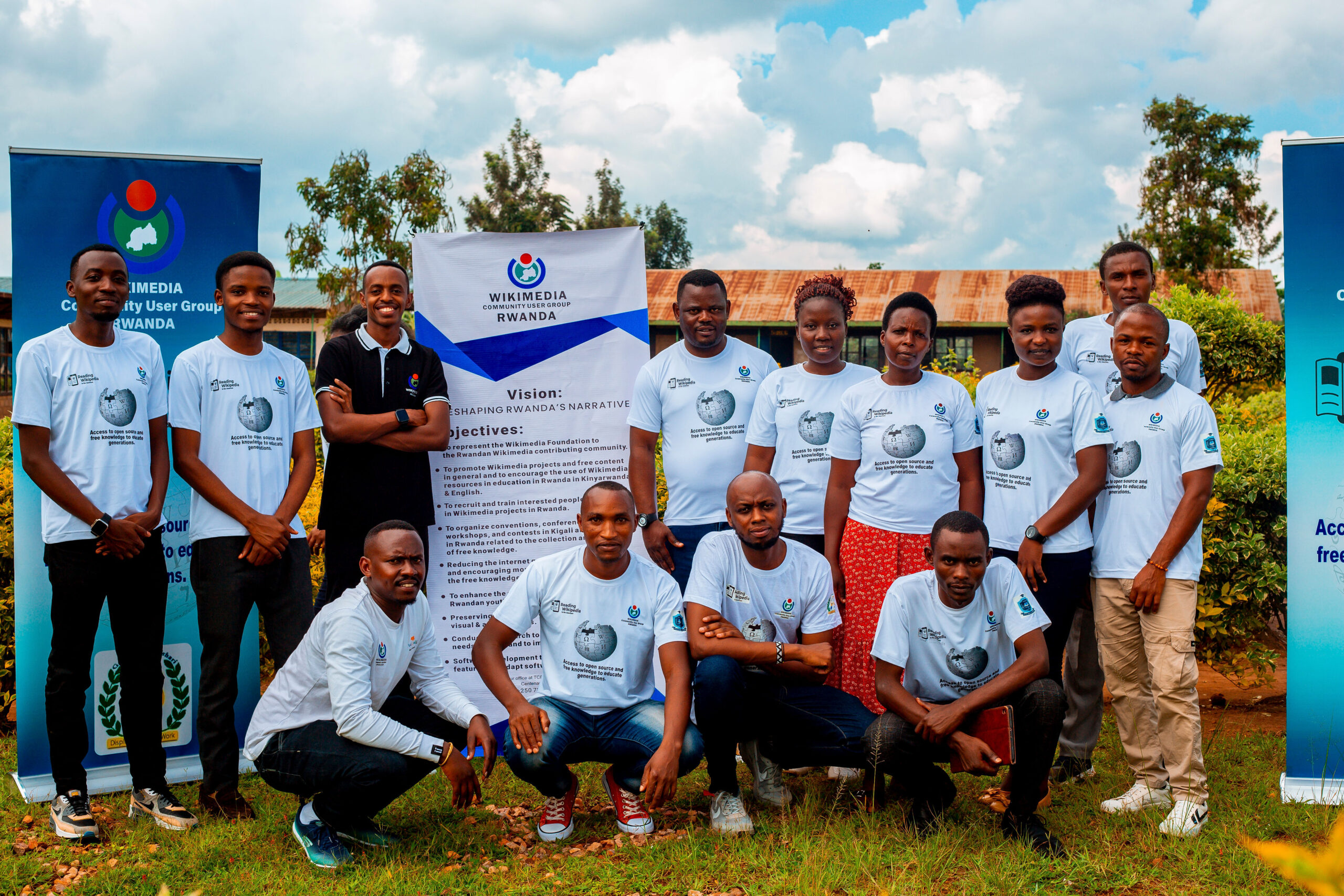
    Wikimedia Community User Group Rwanda, a non-governmental organisation which, among other activities, sensitises and trains different communities in Rwanda about Wikipedia with much emphasis on Kinyarwanda Wikipedia, has embraced Wikigap and it seeks to feature several notable Rwandan women on Wikipedia through the initiative.

    This, according to Derrick Orta Ndahiro, founder and president of the organisation, will help close the gender internet gap in Rwanda.

    On April 30, the organisation launched the Wikigap challenge for the second time, training new and existing Wikipedia editors. Their first edition which happened in 2021 and lasted for two weeks, and left 89 articles about different women in politics (including members of parliament and ministers whose biographies couldn’t be found on Wikipedia), published.

    This year, according to Ndahiro, the challenge targets over 100 articles written about notable Rwandan women in different fields such as sports, journalism, creative industry as well as education.

    “Anyone can edit content on Wikipedia as long as they follow the guidelines,” he said. “Since we write articles in French, English and Kinyarwanda, it requires the editors to know well how to write in any of the languages as well as how to edit.”

    Valentine Uwimpuhwe, a student at the University of Rwanda has so far curated over 50 articles about women, human rights and environment.

    She is aware that Kinyarwanda Wikipedia still has a few articles that talk about women, and that editors who contribute are also few hence, she urged fellow youth to play their part in bridging the gap.

    “When you write, you grow a writing culture and know how to do research instead of copying everything you find on the internet. Wikipedia is a good platform that teaches you how to curate content and how to add references while avoiding plagiarism,” she said.

    “Youth should play their part by adding content to Wikipedia. They can write biographies of notable Rwandan women to also help their country.”

    Publishing more content about Rwanda helps in preserving history

    According to Ndahiro, adding more content on Wikipedia about Rwanda helps in preserving the country’s history.

    “Most of the time, our history is transferred to next generations orally and the problem with that is unearthed when those people die or disappear then it becomes hard for someone to get accurate information. What we do is to collect that history, curate content out of it and publish it on Wikipedia. If it’s written, it can’t get lost even when the sources die,” he said.

    Ndahiro also called for awareness for people to notice how Wikipedia works.

    “Many read content on Wikipedia and sometimes complain about false or incomplete information they find there, not knowing that they can contribute to correcting that by editing the pages. If you see false information, you can research and add the accurate one,” he said.

    He also highlighted that much content on Wikipedia was written by foreigners who have limited information about Rwanda, adding that Kinyarwanda content is still limited since most Wikipedia editors write in English or French, which to him is still a challenge.

    Emmanuel Ndikumana, a member of Wikimedia Users Group Rwanda has been editing and curating content on Wikipedia for over two years.

    “I have curated over 700 articles about education, women empowerment, gender equality, entrepreneurship, as well as biographies of Rwandan women that include Violette Uwamutara, CEO of Dot Rwanda and Aurore Mimosa Munyangaju, Minister of Sports, among others,” he said.

    He noted that the work helped him to improve his knowledge about real life as well as his digital and technological skills.

    He plans to preserve Rwandan history by adding more content on Wikipedia, compelling other people to do the same by helping them understand how important it is.

    By /NewTimes

  • Why Wikipedia wants you to curate content on Rwanda

    Why Wikipedia wants you to curate content on Rwanda

    Popular free online encyclopedia, Wikipedia is calling on Rwandans and citizens from the region to be more involved in curating content about the country, culture and other aspects to reduce underrepresentation.

    Wikipedia which last week marked its 20th anniversary is inviting Rwandans to be more involved in curating content to address the underrepresentation of content on Rwanda as well as tell little known stories about the country.

    Wikipedia currently has more than 55 million articles that can be accessed in over 300 languages, for free, and without advertisements, all created by volunteers. The platform is increasingly relied on as a source of information by students, researchers and others.

    In an interview with The New Times Katherine Maher, CEO of the Wikimedia Foundation which operates Wikipedia said that going forward, it’s important for Rwandans and other countries in the region to be involved in curating content about them on the platform.

    This she said will undo underrepresentation where a significant portion of the content on Rwanda is not by Rwandans or people in the country and could often miss crucial elements or facts.

    “It is important for Rwandans to tell their own story, in their own context and narrative. Often, a majority of content is by people in North America and Europe and is told in their perspective and could miss the viewpoint of Rwandans,” she said.

    With Wikipedia increasingly relied upon as a go to encyclopedia on most topics by millions across the world, the platform says involvement in content curating will change a dominant narrative and share facts on Rwanda which are previously unknown.

    Maher said that at a time when misinformation and false information is increasingly becoming common, it’s important for previously little represented parties to develop and edit content.

    On the platform, members of the public can put up and edit content on condition it quotes reliable sources.

    Derrick Ndahiro, the Team Leader and Founder of the Wikimedia User Group Rwanda which is involved in developing and editing content on the platform said that their involvement was out of realization that a majority of content on Rwanda was not by people in the country and hence often lacked context or now updated.

    “Wikipedia is often considered a valid source of information across the world and people use it as a reference for their articles, books and other content. Often you find that an article is written by one who has never been to Rwanda or adequate understanding of the country and information put out may not bring out the real perspective or context,” he said.

    Ndahiro said that through the platform, Rwandans can tell stories of achievements such as Cathia Uwamahoro a Rwandan female cricket player broke a Guinness world record for the longest cricket net session by a woman in 2017.

    Ndahiro and his team are running sessions to teach the general public on editing and curating content on Wikipedia to increase involvement.

    The platform is built out of belief in free knowledge, open collaboration, and trust on the internet.

    Since the Covid-19 pandemic broke, Wikipedia has had a significant increase in daily traffic with a growing community of medical professionals contributing knowledge about Covid-19 to the platform and also collaboration with the World Health Organization.

    By /Newtimes

  • Over 500 articles added onto Kinyarwanda Wikipedia

    Over 500 articles added onto Kinyarwanda Wikipedia

    Articles featuring Rwanda’s education, health, religion, sports and entertainment topics have been added on Wikipedia through WikiVibrance.

    The over 557 articles are a WikiVibrance initiative that engages young Wikimedians and the entire Wikimedia community in events that contribute to content related to the specific selected thematic areas across Wikimedia projects, thus creating synergies, sharing knowledge and building capacities.

    Wikimedia Foundation is a non-profit that hosts Wikipedia, the world’s largest encyclopaedia, working to create a world where every human can freely share in the sum of all knowledge. Wikimedians are users of any Wikimedia project and members of the Wikimedia movement.

    Rwandan Wikimedians are part of Wikimedia Community User Group Rwanda. In line with WikiVibrance 2022, the non-profit organisation organised a challenge from September 14 to 30 with an aim of enhancing reading and writing culture among youth as they contribute new content on Kinyarwanda Wikipedia in the fields of education, health, religion, sports and entertainment.

    According to the organisation’s Co-founder, Clémentine Nyirahabihirwe, WikiVibrance challenge saw 557 new articles being created while they had a target of creating 60.

    She noted that it was ‘incredible’ seeing 27 young Wikimedians participating, creating important articles associated with the five selected topics.

    She added: “With this challenge, we contributed to the Rwandan community by enhancing the culture of reading and writing among youth. We also helped in increasing the country’s visibility by sharing true information regarding what is being done here. The articles about institutions and individuals we feature are not only read by Rwandans but also internationals. It is easier for them to get information shared by Rwandans about Rwanda without carrying extensive research.”

    Deo Nkurunziza was one of the participants in the WikiVibrance challenge. He created 211 new articles on Kinyarwanda Wikipedia.

    He said that his passion for reading, writing and researching as well as the topics that the challenge covered, especially religion, entertainment and sports, led him to participate given that he was well-informed about them.

    Nkurunziza also noted that he featured different church leaders, pastors, choirs, and churches that operate in Rwanda as well as cycling and football teams and their players, among others.

    “While creating these articles,” he continued, “I realised that we need to feature more different people operating in different fields in the country because they have good activities but are not known. We need to put them in the spotlight so that the world can know and value what they do.”

    He urged other people, especially youth, to read and share information by writing, letting the world know the truth regarding what is happening in Rwanda.

    Rosine Igirimpuhwe, another participant, wrote 44 articles, focusing on education and health-related topics.

    She noted that among other topics, she created articles about different health-related projects, statistics of those with HIV/AIDS and prevention measures in place, Rwandan women and girls who faced unwanted pregnancy and how the country is handling the issue as well as the role youth can play in providing solutions.

    “When we write these articles,” she continued, “We also learn how we can help and where we can start by highlighting districts that are most affected by a particular issue, where there are insufficient health facilities, etc.”

    Among the articles she created, Igirimpuhwe also featured different schools, universities and highlighted where there is gender gap in education and what is being done regarding that.

    She believes that the articles can help different people, including students doing research, to get information and understand different issues related to social well-being in Rwanda and what needs to be done.

    She added: “Being a Kinyarwanda Wikipedia editor helps one to learn because they write after reading what others have written. To write about something, you first have to understand it and get the latest information about it. It is also a good platform to network with different people from diverse backgrounds hence increasing the chance of getting more opportunities.”

    By /NewTimes